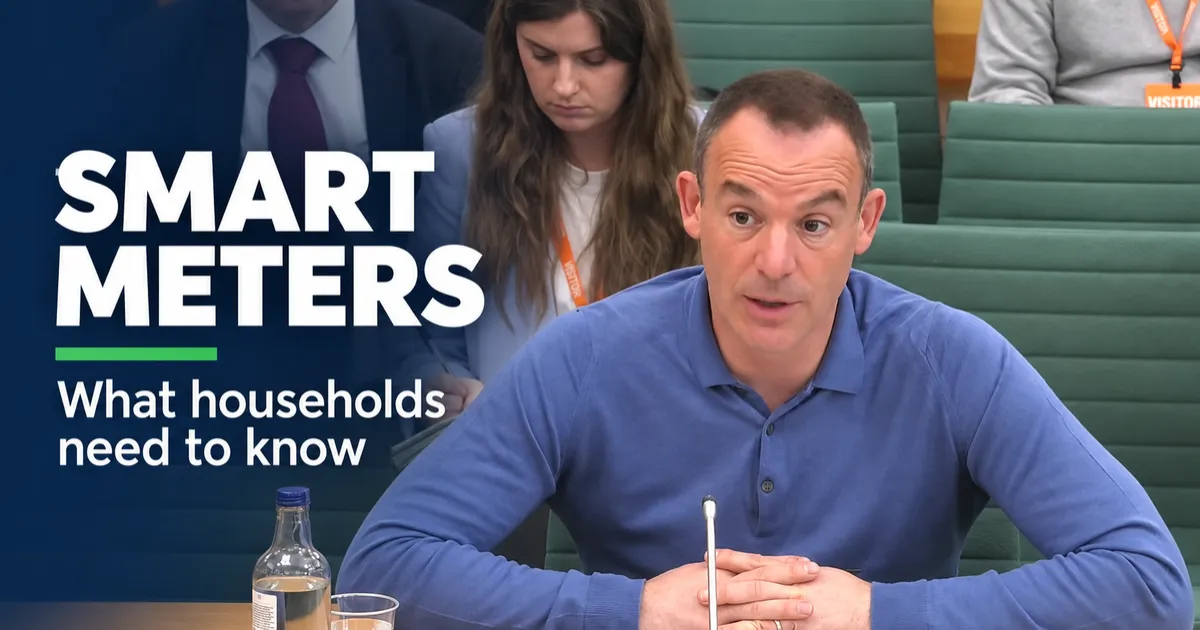
Smart Meters What UK Households Need to Know After Martin Lewis’s Evidence to MPs
Smart meters have received plenty of criticism in the UK - and some of it has been entirely justified.
Problems with the first generation of meters, poor communication coverage, faulty in-home displays and long waits for repairs have all damaged public confidence.
However, that does not mean households need to be frightened of having a smart meter installed.
The simplest way to think about one is this:
A smart meter is fundamentally an electronic gas or electricity meter with an additional communication facility.
If that communication facility works, the meter can send readings automatically. If it does not, the meter should normally still record your energy use and can be read manually, just like an older meter.
TL;DR - Super Summary For Very Busy People
The UK smart-meter rollout has suffered genuine and well-documented problems.
Martin Lewis told MPs that suppliers should be measured on the number of meters that work - not simply the number installed.
A smart meter is essentially an electronic meter with an automatic communication facility.
If that communication connection fails, the meter should still record your energy use and can normally be read manually.
Older meters cannot remain in service indefinitely, so electronic smart meters will increasingly become the normal replacement.
New rules are placing more emphasis on repairing faulty meters and restoring public confidence.
Why Have People Lost Confidence in Smart Meters?
The first generation of UK smart meters - usually known as SMETS1 meters - was introduced before a fully joined-up national communication system was in place.
Some of these meters were effectively tied to the systems used by the supplier that installed them. When a customer changed supplier, the meter could lose its smart functionality and begin operating like a traditional meter.
That did not normally stop the meter measuring energy, but it could mean that the customer had to start supplying readings manually again.
Many first-generation meters have since been remotely connected to the national Data Communications Company network, allowing them to regain smart functionality and work with different suppliers. The second generation - SMETS2 - was designed to be compatible across the energy market.
Even so, communication and installation problems have not disappeared. A meter may have difficulty reaching the dedicated network because of the location of the property, the construction of the building or the position of the meter. Some households have also experienced failed in-home displays, inaccurate tariff information or long waits for faults to be investigated.
What Martin Lewis Told MPs
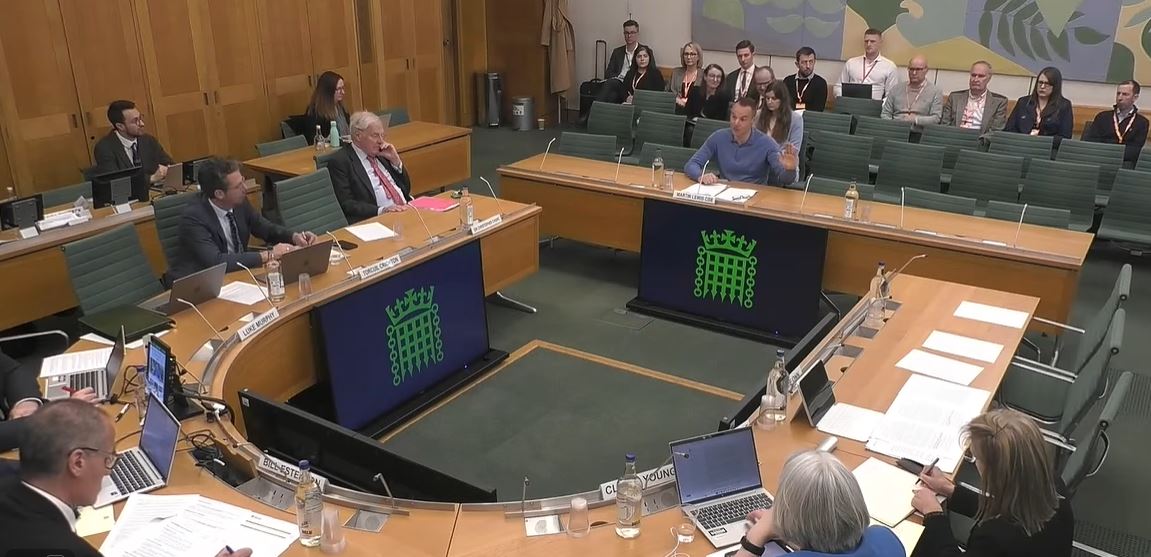
On 19 March 2025, Martin Lewis gave evidence to the House of Commons Energy Security and Net Zero Committee during its inquiry into back billing by energy companies.
He said that he remained supportive of the concept of smart meters, but described the original rollout as an “abomination”. His criticism was directed at the way the programme had been delivered, particularly the cost and the installation of first-generation meters that could lose smart functions when customers changed supplier.
His central point was simple: success should be measured by the number of smart meters working properly, not merely by the number installed.
Martin Lewis explained that government figures and consumer experience were measuring different things. An official measure might concentrate on whether a meter sends information to a supplier. A customer may reasonably say that the system is not working if the in-home display has failed, the tariff is wrong, readings are missing or the resulting bill is inaccurate.
He also warned that installing meters where a reliable connection was unlikely, while leaving existing faults unrepaired, damaged public confidence. People with a poor experience naturally tell friends and relatives, making other households less willing to accept a meter.
That is why his recommendation matters: suppliers should be encouraged to install meters that work and to repair those that do not.
A Smart Meter Does Not Normally Use Your Home Wi-Fi
A common misunderstanding is that a smart meter simply connects to the household broadband router. It normally does not.
Smart meters usually communicate through a separate national network. The meter and the in-home display also use a local home-area connection. This means you do not need home broadband for a smart meter to work.
It also means that joining the meter to your Wi-Fi is not normally available as a simple remedy when the dedicated smart-meter signal is weak. The technology is improving, but the installer should still check whether the proposed equipment is suitable for the property and meter position.
What Happens If the ‘Smart’ Part Stops Working?
A smart meter that loses its communication connection does not normally stop being a meter.
It should continue recording the amount of gas or electricity being used. You can read the figures from the meter itself and submit them to your supplier by telephone, online or through the supplier’s app, just as you would with a traditional meter.
The loss of automatic communication can still be inconvenient. You may receive estimated bills unless you provide readings, and some smart tariffs or display features may not work correctly. However, it does not usually mean that your energy use is no longer being measured.
If automatic readings stop, it is sensible to:
read the physical meter regularly;
submit readings directly to the supplier;
keep dated photographs of the readings;
check that bills use actual rather than estimated figures; and
report the communication fault and keep a record of the reference number.
Why Older Meters Eventually Need Replacing
Traditional meters are not expected to remain in service indefinitely. Electricity meters have an approved certification period, while gas meters must also remain safe, accurate and suitable for continued use.
When an older meter reaches the end of its certified or service life, develops a fault or is no longer considered suitable, the supplier will need to replace it. In practice, the replacement offered will increasingly be an electronic smart meter because that is now the standard technology being installed.
This is why it can be helpful to separate the word “smart” from the basic equipment. The new device is still a meter. It is electronic rather than mechanical, and it has an added communication system. You can still read it yourself, monitor your own usage and supply readings manually if necessary.
Are Smart-Meter Standards Improving?
There are signs of a more useful focus on reliability and repairs. In March 2026, the Government confirmed a post-2025 framework requiring suppliers to take reasonable steps to return meters to smart mode as soon as possible and no later than 90 days after becoming aware of the problem. The framework also requires suppliers to work towards installing smart meters in remaining domestic properties by the end of 2030. Read the Government’s smart-meter policy framework.
Ofgem has also introduced stronger guaranteed standards covering parts of the installation and repair process, with automatic compensation in specified circumstances when a supplier fails to meet the standard. Read Ofgem’s update on tougher smart-meter rules.
No rule can prevent every technical problem. The important change is that performance is increasingly being judged by whether customers receive a working service, not only by the number of installations completed.
Questions to Ask Before an Installation
Before agreeing to an appointment, ask the supplier:
Which meter generation and communication hub will be installed?
Has coverage been checked for my address and the meter’s actual location?
What happens if the installer cannot establish a working connection?
Will both gas and electricity meters communicate with the in-home display?
How do I take a manual reading from the new meter?
Who should I contact if automatic readings or the display stop working?
Will my current tariff and any off-peak arrangements be configured correctly?
Take a photograph of the old meter’s final reading and the new meter’s opening reading. Keep the installer’s paperwork and check the first bill produced after the change.
The Sensible, Balanced View
People are right to be critical of the way parts of the smart-meter programme have been handled. The difficulties with early meters, communication coverage and slow repairs are real.
But a smart meter is not something mysterious inside the home. It is an electronic meter with a communication function. When that function works, it can make readings and billing more convenient. When it does not, the meter should normally continue measuring consumption and can be read manually.
That simple explanation often removes much of the anxiety: you remain able to check the figures, monitor your own usage and challenge a bill that does not look right.
As older meters reach the end of their working or certified lives, more households will be offered electronic smart meters as replacements. Better pre-installation checks, clearer explanations and faster repairs are therefore essential if confidence is to be rebuilt.
Smart Meter Questions and Answers
What is a smart meter?
It is an electronic gas or electricity meter that records consumption and includes a communication function intended to send readings automatically. The word “smart” describes the added communication and data features; it is still a meter that you can read.
Does a smart meter need my home Wi-Fi?
Normally, no. UK smart meters generally use a dedicated national communication network rather than your broadband router. The in-home display communicates locally with the metering system.
What happens if there is no smart-meter signal?
The meter should normally continue measuring energy, but it may operate in traditional mode and stop sending readings automatically. You may need to read the meter and submit readings yourself while the supplier investigates the connection.
Can I still read a smart meter myself?
Yes. The reading is available on the physical meter, although the buttons and display sequence vary by model. Ask the installer to show you exactly how to obtain electricity and gas readings before leaving.
Is the in-home display the same as the smart meter?
No. The meter is the certified device that measures energy. The in-home display is a separate screen that presents information received from the metering system. A failed or disconnected display does not necessarily mean the meter itself has stopped measuring or sending readings.
Will a smart meter automatically reduce my bills?
No. A meter does not reduce consumption on its own. It may help you understand when and where energy is being used, reduce estimated bills and provide access to tariffs that depend on half-hourly readings. Savings still depend on the tariff and the choices made in the home.
Can I change energy supplier after having a smart meter installed?
Yes. SMETS2 meters were designed to work across suppliers. Many SMETS1 meters have also been enrolled in the national system. If smart functions are lost after a switch, report the problem to the new supplier and continue providing manual readings until it is resolved.
Do I have to accept a smart meter?
Households are generally encouraged rather than forced to accept a routine smart-meter installation. However, an old, faulty or end-of-life meter cannot necessarily remain in service indefinitely. If replacement is required, the supplier is likely to offer the current standard electronic metering equipment. Ask the supplier why replacement is needed and what options are available for your circumstances.
What should I do if my bills look wrong after installation?
Photograph the meter reading, compare it with the reading shown on the bill and contact the supplier promptly. Ask whether the bill is based on an actual or estimated reading and check that the correct meter serial number and tariff have been applied. Keep copies of readings, bills and correspondence.
What should I do if my smart meter stops sending readings?
Submit a manual reading, report the fault and ask for a repair plan and reference number. Continue checking bills while the issue is open. Current policy places greater emphasis on returning meters to smart mode promptly, so do not assume that you simply have to live with the fault.
Local, Personal Help With Your Home Utilities
CBC Home Utilities believes that householders should receive clear explanations before any change is made. Whether you are considering a smart meter, checking an unfamiliar bill or trying to understand why automatic readings have stopped, begin with the facts: read the meter, record the figures and ask the supplier to explain what should happen next.
Contact Diane at CBC Home Utilities to find out more information
